

Decades of CAD Volatility: Major Interventions and Market Shifts
The loonie hasn’t always floated freely. This historical overview covers major Bank of Canada interventions, the shift from fixed to floating rates, and how past crises reshaped currency policy — context that helps explain today’s markets.

From Bretton Woods to Modern Markets
Canada’s currency story isn’t straightforward. For decades, the Canadian dollar operated under fixed exchange rate systems. The Bretton Woods agreement tied major currencies to gold, which meant the Bank of Canada couldn’t simply let market forces determine the loonie’s value. When that system collapsed in the early 1970s, it triggered one of the most significant policy shifts in Canadian monetary history.
What’s fascinating is how central banks responded. They didn’t immediately embrace free-floating rates. Instead, there was a period of managed floating — where the Bank of Canada would step in, buying and selling currency to smooth out wild swings. This wasn’t passive observation. It was active management, and it reveals something crucial about modern currency markets: they’re never entirely free from intervention.
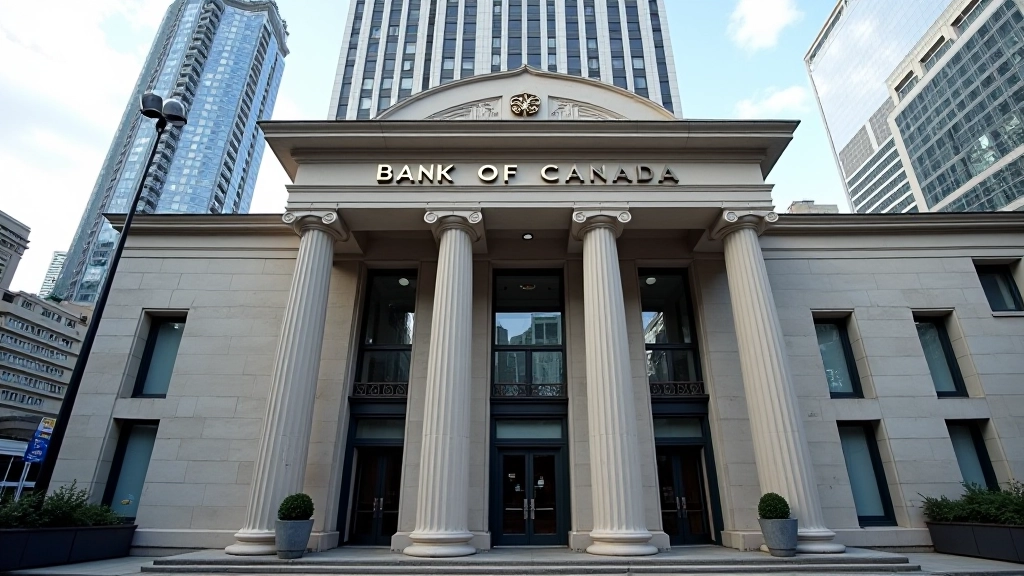
The 1980s Crisis and Rate Defense
The early 1980s brought inflation that scared central bankers worldwide. Canada wasn’t immune. Inflation hit double digits, and the Bank of Canada made a controversial choice: raise interest rates dramatically. The prime rate climbed toward 20 percent. It sounds extreme now, but Governor Paul Volcker’s similar approach in the US was fighting the same monster.
Here’s where intervention comes in. Higher Canadian rates attracted foreign investors seeking better returns. They bought Canadian dollars to invest in government bonds and other assets. That demand naturally pushed the loonie higher. But the Bank didn’t always want it to rise that fast. Sometimes they’d intervene, selling Canadian dollars to prevent the currency from appreciating too quickly, which would hurt exporters. It’s a balancing act that still happens today.
By 1986, inflation was beaten. Rates came down. The currency started to weaken. And Canada learned a valuable lesson: tight monetary policy and currency markets are deeply connected.
The 1990s: Asian Contagion and Commodity Collapse
The late 1990s brought new challenges. Asia’s financial crisis in 1997–1998 rippled globally. Investors fled emerging markets and became cautious about everything. Commodity prices crashed. Since Canada exports huge amounts of oil, metals, and agricultural products, the loonie fell hard. In 1998, it dropped below 68 cents US — a level that shocked policymakers.
The Bank of Canada faced a difficult choice. Should they intervene to prop up the currency? Or let it fall and adjust naturally? They chose a measured approach. Rather than aggressive buying, they signaled that stability mattered while allowing the currency to find a new equilibrium. This wasn’t passive drift — it was deliberate restraint.
What’s instructive here is that intervention isn’t always about fighting the market. Sometimes it’s about managing the pace of change. A currency that falls too fast can create chaos for importers and investors. A measured decline gives markets time to adjust.

The Commodity Super-Cycle and 2000s Surge
Then came the 2000s. Oil prices soared. China’s industrial boom demanded raw materials. Copper, nickel, wheat — everything Canada produced became valuable. The loonie strengthened dramatically. By 2007, it hit parity with the US dollar for the first time in decades. It was a remarkable achievement, but it created new tensions.
The Manufacturing Problem
A strong loonie sounds good. Higher currency value suggests economic strength. But there’s a catch: it makes Canadian manufactured goods expensive for foreign buyers. A car built in Ontario costs more in US dollars when the loonie is strong. Manufacturers complained. Exporters struggled. The Bank of Canada faced criticism for not intervening more aggressively.
Yet they mostly held steady. Why? Because they understood something fundamental: you can’t fight commodity markets forever. The loonie was strong because Canada produces valuable resources. Fighting that reality just delays adjustment and wastes reserves.


2008–2009: The Global Financial Crisis Response
September 2008 changed everything. Lehman Brothers collapsed. Credit markets froze. Suddenly, nobody wanted risk. The Canadian dollar, which had soared on commodity demand, fell sharply. In a few months, it dropped 25 percent. It wasn’t gradual — it was violent.
This time, the Bank of Canada did intervene more actively. They coordinated with other central banks to inject liquidity into markets. They cut interest rates to near zero. They implemented quantitative easing — buying government bonds to inject money into the economy. These weren’t traditional currency interventions, but they affected the loonie’s value nonetheless.
The crisis revealed something important: in extreme conditions, central banks abandon their usual playbooks. When financial systems threaten to collapse, philosophical debates about free markets become secondary to survival. The Bank of Canada acted pragmatically, using every tool available to stabilize both the currency and the financial system.
The Modern Era: Post-Crisis Management
Since 2009, the Bank of Canada has mostly relied on interest rates rather than direct currency intervention. But “mostly” doesn’t mean “never.” They still intervene when conditions warrant it, though they’re more transparent about it than they used to be. They publish intervention data quarterly, letting markets know when and why they acted.
2010–2015: Oil Boom and Bust
Oil prices surged again, pushing the loonie above 1.05 USD. Then oil crashed in 2014–2015, and the currency fell to 70 cents. The Bank let it move, understanding that commodity dependence means accepting volatility.
2020–2021: Pandemic Response
COVID-19 triggered emergency measures. The Bank cut rates to zero, bought massive amounts of government bonds, and worked with other central banks. The loonie weakened initially, then strengthened as vaccines rolled out and commodity demand recovered.
2022–2024: Inflation and Rate Hikes
The Bank raised rates aggressively to fight inflation. Higher rates attracted foreign investment, strengthening the loonie. But by late 2023, the Bank started cutting again, and the currency weakened — a natural market response.
What History Teaches Us
Decades of intervention history reveal consistent patterns. First, you can’t fight fundamental forces indefinitely. Canada exports commodities, so the loonie will track commodity prices over time. Intervention can smooth the path, but it can’t reverse the direction permanently.
Second, interest rate policy matters more than direct intervention. When the Bank raises rates, capital flows in, strengthening the currency. When they cut, capital flows out. This mechanism is powerful and largely automatic. Direct buying and selling of currency is less important than most people think.
Third, transparency works. The Bank’s willingness to publish intervention data and explain their reasoning has built credibility. Markets understand the Bank’s priorities and respond rationally. That’s far more effective than secret interventions.
Finally, crisis changes everything. During the 2008 financial crisis, the Bank abandoned its usual restraint. When systemic stability is threatened, protecting the financial system trumps currency management ideology. It’s a lesson central bankers everywhere have learned.

Key Takeaways
- Canada’s currency policy evolved from fixed rates (Bretton Woods) to managed floating to modern flexible rates
- The Bank of Canada intervenes strategically, not constantly — mostly through interest rate policy rather than direct currency sales
- Major crises (1980s inflation, 1990s contagion, 2008 financial crisis) triggered more aggressive intervention
- Commodity prices remain the strongest long-term driver of loonie movements
- Understanding this history helps explain why the loonie moves the way it does today
Educational Disclaimer
This article presents historical information about Canadian currency policy and Bank of Canada interventions for educational purposes. It’s not investment advice, financial guidance, or a recommendation to trade currencies. Currency markets are complex, and real decisions involve countless variables beyond historical patterns. If you’re making decisions about currency exposure or foreign exchange, consult with qualified financial professionals who understand your specific circumstances. Past patterns don’t guarantee future results.