CAD Dynamics Logo CAD Dynamics Contact Us
Contact Us

Commodity Correlation: Why CAD Moves With Raw Materials

Beyond oil, the Canadian dollar tracks metals, agricultural exports, and other natural resources. This guide walks through the correlation mechanics — why commodity-heavy economies like Canada see their currencies tied to global resource prices.

10 min read Intermediate February 2026
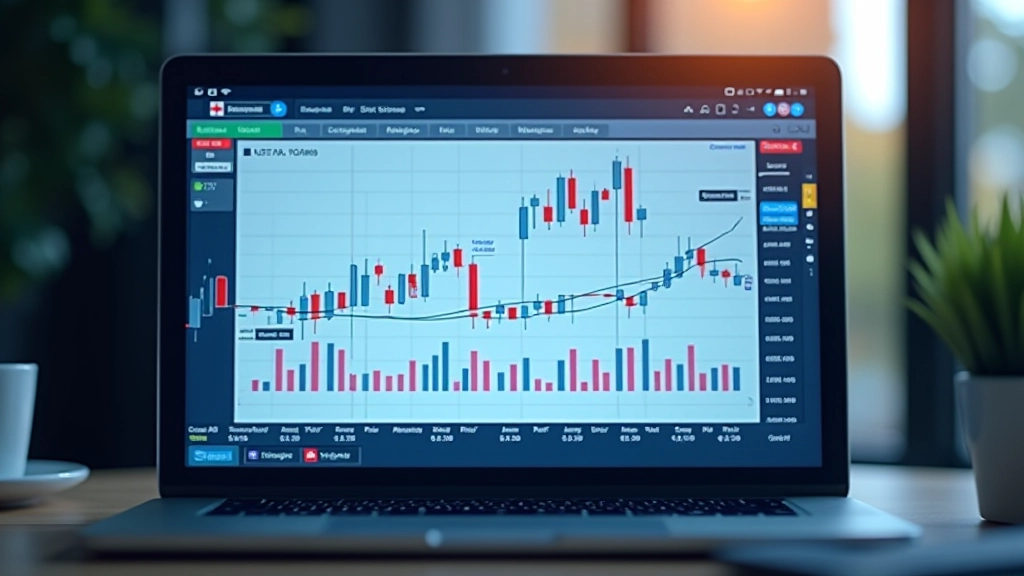
Active trading desk with multiple monitors displaying real-time commodity prices, currency charts, and market data

The Resource Economy Connection

Canada isn’t like most developed economies. While the US dollar reflects the strength of tech companies, financial markets, and services, the loonie moves with what comes out of the ground. We’re talking oil, yes — but also copper, nickel, potash, wheat, and lumber. When global demand for these raw materials surges, the Canadian dollar tends to strengthen. When commodity prices collapse, so does the currency.

This relationship isn’t accidental. It’s fundamental to how Canada makes money. Roughly 25% of all exports are energy products, and another 15% come from metals and minerals. Foreign buyers need Canadian dollars to purchase these goods, which drives up demand for the currency itself.

Chart showing Canadian dollar exchange rate correlation with commodity price index over five years, demonstrating strong positive relationship
Mining operation in northern Canada with heavy equipment extracting ore and minerals under cloudy sky

How the Mechanism Actually Works

Here’s the practical flow: Copper prices spike on global markets. Mining companies in British Columbia and Ontario suddenly have higher revenues. They’ve got more cash flowing in, and that cash is in Canadian dollars. Foreign mining equipment suppliers want to get paid, so mining companies exchange foreign currency for CAD to pay workers and local suppliers.

Meanwhile, international investors see stronger Canadian export earnings and want to buy Canadian assets — real estate, bonds, stocks. They need Canadian dollars to do this. All that buying pressure on CAD pushes the exchange rate higher. It’s supply and demand at scale. And it happens fast — sometimes within days when commodity moves are sharp.

But there’s a lag sometimes. The correlation isn’t perfect. A spike in oil prices doesn’t instantly move the dollar. There’s usually a delay of 1-3 weeks as markets process the data, adjust forecasts, and traders position themselves. That’s why watching commodity futures — not just spot prices — matters for currency forecasting.

Which Commodities Matter Most

Not all commodities move the loonie equally. Some have way more impact than others.

Oil & Natural Gas

Highest Impact

Energy exports represent nearly $130 billion annually. A 10% drop in oil prices typically means a 1-2% depreciation in CAD over the following weeks. Alberta’s oil sands produce roughly 5 million barrels daily, making Canada the fourth-largest oil producer globally.

Metals & Minerals

High Impact

Copper, nickel, and gold exports run about $45 billion yearly. Canada supplies roughly 6% of world copper and 7% of nickel production. Nickel’s especially important — it’s used in electric vehicle batteries, so EV adoption rates directly affect Canadian currency strength.

Agricultural Products

Moderate Impact

Wheat, canola, and pulse crops contribute roughly $30 billion annually. Canada’s the world’s largest canola producer and a top wheat exporter. Weather in the prairies can swing these prices dramatically — droughts or cold snaps ripple through to CAD within weeks.

Understanding Correlation Strength

The correlation between CAD and commodities isn’t a fixed number. It shifts depending on what’s happening in the global economy. During periods of strong global growth, the correlation strengthens — commodity demand rises, and CAD rises with it. But when markets get nervous about recession, investors flee to safety (US dollars and Treasury bonds), and the CAD-commodity link weakens.

Historically, the correlation coefficient between CAD and the S&P GSCI commodity index sits around 0.65 to 0.75 over medium-term periods. That’s strong, but not perfect. Some days they move opposite directions. Why? Because other factors matter too — US interest rates, Canadian interest rates, risk appetite, and political events can temporarily override commodity signals.

The relationship also changes seasonally. Summer months see stronger commodity-CAD correlation because agricultural markets heat up and construction demand peaks. Winter months are weaker, especially if Northern Hemisphere economies slow.


Close-up of commodity trading screen showing real-time price data for oil, copper, gold, and wheat with color-coded performance indicators

Factors That Weaken the Correlation

Understanding when commodities DON’T move the loonie helps you spot opportunities.

01

Interest Rate Differentials

When the US Federal Reserve raises rates faster than the Bank of Canada, the US dollar strengthens regardless of commodity prices. This happened throughout 2022-2023. Even as oil rallied, the CAD weakened because US rates were climbing faster. The rate advantage was simply too powerful to ignore.

02

Risk-Off Market Conditions

During financial crises or major geopolitical shocks, investors sell everything and buy US Treasuries. CAD gets hit even if commodities hold value because traders are fleeing risk assets entirely. The 2020 COVID crash saw both commodities and CAD plummet simultaneously — the commodity correlation broke.

03

Bank of Canada Policy Surprises

Unexpected BoC rate cuts or policy shifts can override commodity moves. If the Bank surprises markets with a rate cut while oil is rising, CAD often weakens anyway because the rate cut signal dominates. Traders care about both directions simultaneously.

Archival photograph of Bank of Canada building in Ottawa, institutional architecture representing Canadian central banking

A Historical Perspective

The commodity-CAD relationship became crystal clear during the 2008 financial crisis and the commodity supercycle that followed. From 2003-2008, oil prices climbed from $30 to $147 per barrel, and the Canadian dollar strengthened from 0.68 USD to parity (1.00 USD). Then came the crash. By early 2009, oil hit $35, and CAD had fallen back to 0.78 USD.

This pattern repeated during the 2014-2016 oil collapse. Crude fell from $100 to $30 per barrel, and the loonie crashed from 0.92 USD to 0.68 USD. The correlation was textbook perfect. But in 2018-2019, things shifted. Oil rallied from $42 to $65, yet CAD barely moved. Why? Because the US Fed had cut rates while the BoC stayed hawkish. The interest rate story dominated.

These episodes teach us that correlation is real but conditional. It works best when interest rate differentials are stable and risk sentiment is neutral. When those factors shift, the commodity-CAD link can snap temporarily — sometimes for months.

Practical Takeaways

Monitor Multiple Commodities

Don’t fixate on oil alone. Track the Bloomberg Commodity Index or the S&P GSCI, which includes oil, metals, agriculture, and livestock. A diversified commodity view gives you a cleaner CAD signal than watching crude in isolation.

Watch the BoC & Fed Spread

Always check interest rate expectations. If the Fed is hiking while the BoC pauses, the USD will strengthen even if commodities rally. The interest rate differential can override the commodity signal for weeks or months.

Use Commodity Futures, Not Spot Prices

Forward-looking commodity futures markets (3-6 months out) often lead the loonie more effectively than spot prices. Markets price in expectations, not current reality. Track WTI crude futures and copper futures for better directional signals.

Seasonal Patterns Matter

Summer tends to see stronger commodity demand and tighter CAD-commodity correlation. Winter often weakens it. Agricultural cycles create predictable seasonal swings. Knowing the season helps you judge correlation strength.

Why This Matters

The Canadian dollar’s tight linkage to commodity prices isn’t a flaw — it’s a feature of Canada’s economy. Understanding this relationship helps you make better decisions whether you’re an exporter, investor, or someone planning international travel. When commodity prices surge, you can expect CAD strength over the following weeks. When they collapse, CAD weakness typically follows. But remember the exceptions: interest rates, risk appetite, and central bank policy can all temporarily override the commodity signal. The strongest forecasting approach watches all three simultaneously — commodities, rates, and sentiment — rather than betting on any single factor.

The loonie isn’t random. It’s a commodity currency with observable, predictable patterns. Learn those patterns, and you’ll understand one of the most important relationships in Canadian finance.

Educational Disclaimer

This article is provided for educational and informational purposes only. It’s not investment advice, financial advice, or a recommendation to buy or sell any currency, commodity, or asset. The relationship between CAD and commodities is real and documented, but past correlations don’t guarantee future performance. Market conditions, central bank policy, geopolitical events, and countless other factors influence currency movements. If you’re making financial decisions based on currency forecasts or commodity exposure, consult with a qualified financial advisor who understands your specific situation, risk tolerance, and objectives. Exchange rates are volatile and unpredictable over short timeframes. Do your own research and never risk capital you can’t afford to lose.